
Thinking about buying a used aircraft? A pre-buy inspection isn’t just a good idea; it’s a critical step that helps you understand the true condition of the plane you’re considering. It’s how you uncover potential issues, confirm maintenance history, and ultimately make an informed decision, protecting your investment and ensuring safety. This isn’t just about kicking the tires; it’s a detailed, professional evaluation that can save you a lot of headaches and money down the line.
Why a Pre-Buy Inspection is Non-Negotiable
A pre-buy inspection acts as your ultimate due diligence before committing to a significant aircraft purchase. Unlike a routine annual inspection, a pre-buy is specifically tailored to a potential buyer’s needs, focusing on discovering issues that could impact the aircraft’s value, airworthiness, and your future operating costs. It’s a deep dive into the aircraft’s current state and its past life, performed by an independent, qualified mechanic.
Protecting Your Investment
Buying an aircraft is a substantial financial commitment, often comparable to purchasing a house. Without a thorough pre-buy, you’re essentially buying sight unseen, risking unforeseen repairs that could easily outweigh any initial savings on the purchase price. The inspection aims to uncover major squawks, deferred maintenance, or even hidden damage that could turn your dream plane into a financial nightmare. Think of it as insurance against buyer’s remorse and unexpected expenses.
Ensuring Airworthiness and Safety
Beyond the financial aspect, safety is paramount. An aircraft that isn’t properly maintained or has underlying structural issues poses a significant risk. A pre-buy inspection critically evaluates the aircraft’s airworthiness, identifying any components or systems that don’t meet regulatory standards or could compromise safe operation. This independent assessment gives you peace of mind, knowing that a qualified professional has scrutinized the aircraft’s safety integrity.
Verifying Records and Compliance
An aircraft’s logbooks tell its life story. A key part of the pre-buy process involves a meticulous review of these records. This isn’t just about checking off boxes; it’s about verifying that all required inspections have been performed, Airworthiness Directives (ADs) have been complied with, and any repairs or modifications have been properly documented. Inconsistencies or gaps in the logbooks can significantly devalue an aircraft and indicate potential underlying issues, making proper record-keeping a non-negotiable aspect of airworthiness.
Choosing the Right Mechanic and Location
The success of your pre-buy inspection largely hinges on the mechanic you choose and the environment in which the inspection is conducted. This isn’t a job for just any A&P; you need someone experienced, objective, and familiar with the specific make and model of aircraft you’re considering.
Selecting an Independent and Qualified Inspector
This is perhaps the most crucial decision. You need an A&P (Airframe and Powerplant) mechanic, preferably with an IA (Inspection Authorization), who is independent of both you and the seller. This independence is key to getting an unbiased assessment. Look for a mechanic who specializes in or has extensive experience with the specific make and model of aircraft you’re evaluating. They’ll know the common trouble spots, applicable ADs, and service bulletins (SBs) for that particular type.
- Ask for recommendations: Tap into owner forums, pilot groups, and local FBOs for mechanics known for their thorough pre-buy inspections on similar aircraft.
- Verify credentials: Ensure the mechanic holds current A&P and IA certificates.
- Discuss their approach: A good inspector will have a detailed checklist and a clear process for conducting pre-buys. They should be willing to explain their methodology.
- Review their report samples: Ask to see examples of previous pre-buy reports to gauge their level of detail and clarity.
- Check for conflicts of interest: Confirm that the mechanic has no prior relationship with the seller or the aircraft.
Deciding on the Inspection Location
Where the inspection takes place can also affect its thoroughness and cost. While it’s often easiest to perform the inspection at the aircraft’s current location, there are benefits to moving it.
- Seller’s Hangar: This is convenient but might not always offer the ideal environment. Ensure there’s adequate lighting, tools, and space for a comprehensive inspection. The mechanic might also feel less empowered to push back on seller-provided assistance if they are on the seller’s home turf.
- Your Chosen Maintenance Facility: If you have a trusted shop, flying the aircraft there for the pre-buy can be advantageous. Your mechanic is in their familiar environment with all their tools and resources. However, this incurs ferry flight costs and risks.
- Neutral FBO or Maintenance Shop: Sometimes, a mutually agreed-upon neutral location can be the best compromise, offering a professional setting without perceived biases.
Consider the logistics, cost of ferry flights (if applicable), and the resources available at each potential location. The goal is to provide the inspector with the best possible conditions to do their job thoroughly.
Key Areas of a Thorough Pre-Buy Inspection
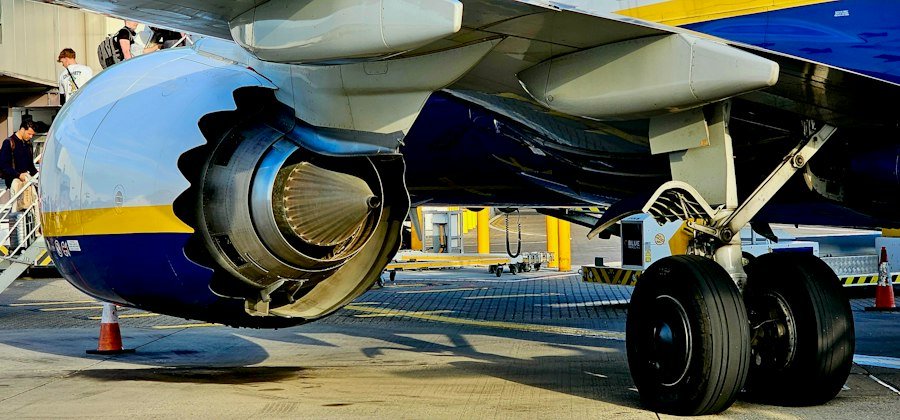
A comprehensive pre-buy covers virtually every aspect of the aircraft, from its nose to its tail, and delves deep into its operational history. It’s a much more detailed process than a standard annual inspection, often involving disassembling panels and using specialized tools.
Airframe Structure and Components
This section scrutinizes the physical integrity of the aircraft. The inspector will look for signs of corrosion, damage, or improper repairs that might compromise the airframe’s structural integrity.
- Corrosion: A pervasive enemy of aircraft, corrosion can be hidden beneath paint or within structural components. The inspector will look for tell-tale bubbling paint, discoloration, and physically inspect common corrosion hotspots.
- Damage History: Evidence of past accidents or hard landings needs careful investigation. This includes inspecting for buckling, creasing, or mismatched rivets that could indicate a poorly repaired area. Comparing this to logbook entries is crucial.
- Skins and Control Surfaces: Dents, dings, cracks, or loose rivets on the fuselage, wings, and empennage are evaluated. Control surfaces (ailerons, rudder, elevators, flaps) are inspected for proper movement, balance, and any signs of damage or wear on hinges and attach points.
- Landing Gear: Retractable gear systems are cycled multiple times, checking for proper operation, smooth extension and retraction, and any hydraulic leaks. The struts, wheels, tires, brakes, and associated plumbing are meticulously inspected for wear, damage, and leaks.
- Flight Controls: The entire flight control system, from the cockpit inputs to the control surfaces, is examined for binding, excessive play, proper rigging, and signs of wear on cables, pulleys, and bellcranks.
- Windows and Windshield: Cracks, crazing, or delamination in the plexiglass can be costly to replace and indicate exposure to harsh elements.
Powerplant (Engine and Propeller)
The engine is the heart of the aircraft, and its condition is paramount. A detailed inspection here is non-negotiable.
- Engine Compression Check: This test provides insight into the health of the engine cylinders, indicating potential issues with valves, piston rings, or cylinder walls.
- Borescope Inspection: Using a borescope, the mechanic can look inside the cylinders to inspect the condition of valves, cylinder walls, and piston crowns for wear, corrosion, or damage, often revealing issues not detectable by a compression check alone.
- Oil Analysis: A sample of engine oil is sent to a lab for analysis, which can detect microscopic metallic particles, indicating internal engine wear, or other contaminants. This provides a snapshot of the engine’s internal health.
- Magneto and Ignition System: Spark plugs, ignition harnesses, and magnetos are inspected for proper operation, wear, and timing.
- Fuel System: Fuel lines, pumps, filters, and tanks are checked for leaks, contamination, and proper operation. Sumps are drained and inspected for water or debris.
- Exhaust System: Exhaust pipes, mufflers, and heat exchangers are inspected for cracks, corrosion, and security, as exhaust leaks can lead to carbon monoxide poisoning or engine compartment fires.
- Propeller: The propeller blades are inspected for nicks, cracks, erosion, and proper tracking. Hubs are checked for leaks or damage. On constant-speed propellers, the governor and associated mechanisms are inspected for proper function.
Systems and Avionics
This category covers everything that makes the aircraft flyable and navigable beyond the airframe and engine.
- Electrical System: Batteries, alternator/generator, wiring harnesses, circuit breakers, and switches are inspected for proper function, security, and signs of overheating or corrosion.
- Fuel System (detailed): Beyond just the lines and tanks, the fuel quantity indicators, fuel selectors, and transfer pumps are tested for accuracy and proper operation.
- Hydraulic System: For aircraft with hydraulic components (e.g., retractable gear, brakes, some flight controls), the hydraulic fluid levels, lines, pumps, and actuators are inspected for leaks and proper function.
- Environmental System: Heating, ventilation, and air conditioning systems are checked for functionality, filter condition, and leaks.
- Pitot-Static System: Altimeter, airspeed indicator, and vertical speed indicator are checked for accuracy and proper calibration. This often requires a dedicated test.
- Avionics and Instruments: All installed avionics (GPS, comms, navs, transponder, autopilot) are powered up and checked for basic functionality. Instrument panel instruments are checked for proper indications, illumination, and security. Calibration checks might be necessary for certain items. Compliance with current ADs and SBs relevant to avionics, such as transponder and altimeter certifications, is also verified.
- De-icing/Anti-icing Systems: If equipped, these systems (boots, heated props, heated windshields) are inspected for physical condition and proper operation.
- Emergency Systems: Emergency locator transmitters (ELTs) are checked for battery life and proper registration. Fire extinguisher systems (if installed) are inspected for charge and serviceability.
Interior and Exterior Condition
While not directly impacting airworthiness in the same way, the cosmetic condition reflects how well the aircraft has been cared for and impacts its overall value.
- Interior: Seats, carpeting, headliner, and side panels are inspected for wear, tears, stains, and overall condition. Seatbelts and harnesses are checked for fraying or damage.
- Exterior Paint and Finish: The paint condition is assessed for fading, peeling, chips, and overall quality. This can give clues to past repairs or environmental exposure.
- Lights: All exterior lights (nav, strobe, landing, taxi) and interior lights (instrument panel, cabin) are checked for proper operation.
- Documentation and Placards: All required placards, markings, and documentation (Aircraft Registration, Airworthiness Certificate, Operating Limitations) must be present and legible.
The All-Important Logbook Review
The physical inspection of the aircraft tells you about its present state, but the logbooks tell you its entire history. This is where an independent inspector’s meticulousness truly shines, confirming the aircraft’s past and providing context for any discovered discrepancies.
Uncovering the Aircraft’s History
Every maintenance action, repair, inspection, and modification must be documented in the aircraft’s logbooks. These include the airframe log, engine log(s), and propeller log(s), as well as avionics maintenance records. The inspector will systematically go through these to establish a comprehensive history.
- Annual and 100-Hour Inspections: Verify that all required periodic inspections have been completed on time and properly signed off.
- Airworthiness Directives (ADs): This is critical. ADs are mandatory compliance items issued by the FAA (or equivalent authority) to address known safety issues. The inspector must verify that all applicable ADs have been complied with and properly recorded. Non-compliance with an AD renders an aircraft unairworthy.
- Service Bulletins (SBs): While not mandatory like ADs, SBs are recommendations from the manufacturer for maintenance, inspections, or modifications. The inspector will note any significant outstanding SBs, as these could become ADs in the future or indicate areas of potential concern.
- Major Repairs and Alterations (Form 337s): Any major repairs (e.g., significant structural repair, engine overhaul, propeller repair) or alterations (e.g., avionics upgrades, airframe modifications) require FAA Form 337 and Supplemental Type Certificates (STCs) where applicable. These forms detail the work performed and ensure it was done in an approved manner. The inspector will verify that these are present and correspond to any physical evidence on the aircraft.
- Component Times: Engine, propeller, and major components often have time-before-overhaul (TBO) limits or recommended inspection intervals. The inspector will track these times to determine remaining life and potential future costs.
- Ownership History: While not directly affecting airworthiness, a complex or frequently changing ownership history can sometimes correlate with less diligent maintenance.
Identifying Red Flags in Documentation
The logbook review is not just about confirming completeness; it’s about spotting inconsistencies or missing information that could indicate problems.
- Missing or Incomplete Entries: Gaps in the logbooks, particularly for major inspections or repairs, are a significant red flag. They raise questions about what happened during those periods and whether the aircraft was legally airworthy.
- Illegible or Vague Entries: Entries that are difficult to read or lack specific details make it hard to verify compliance or the quality of work performed.
- Signs of Alteration or Forgery: Any indication of entries being altered, removed, or appearing forged should immediately halt the pre-buy process and warrants further investigation.
- Discrepancies Between Records and Physical Condition: If the logbooks state a certain repair was done, but the physical inspection shows no evidence of it, or vice versa, this is a major concern.
- Frequent Deferral of Maintenance: While minor squawks can be deferred, a consistent pattern of deferred maintenance for significant items indicates a lack of proper care and potentially neglected issues.
The logbook review is time-consuming and requires an experienced eye. It’s a critical step that can confirm or contradict findings from the physical inspection and provide invaluable insight into the aircraft’s true value and operational future.
What Happens After the Inspection?
| Inspection Aspect | Description | Typical Duration | Key Metrics | Importance Level |
|---|---|---|---|---|
| Airframe Condition | Visual and structural inspection of the fuselage, wings, and control surfaces for corrosion, cracks, and damage. | 4-6 hours | Corrosion spots, crack length, repair history | High |
| Engine Inspection | Assessment of engine performance, compression tests, oil analysis, and visual checks for leaks or wear. | 3-5 hours | Compression PSI, oil contamination levels, hours since overhaul | High |
| Avionics Check | Verification of avionics functionality including radios, GPS, autopilot, and navigation systems. | 1-2 hours | Operational status, software updates, error logs | Medium |
| Landing Gear | Inspection of tires, brakes, struts, and retraction mechanisms for wear and proper operation. | 2-3 hours | Tire tread depth, brake pad thickness, strut extension | High |
| Logbook Review | Verification of maintenance records, compliance with ADs (Airworthiness Directives), and service bulletins. | 2-4 hours | Number of ADs complied with, last inspection date, total flight hours | High |
| Flight Test | Operational check of aircraft systems and handling characteristics during flight. | 1-2 hours | Engine performance, control responsiveness, system alerts | High |
Once the inspector has completed their meticulous examination, their job isn’t over. The final phase involves compiling their findings into a comprehensive report and discussing them with you. This report is your roadmap for negotiations and your decision-making tool.
Receiving the Inspection Report
The inspector will provide a written report detailing all findings. This report should be thorough, objective, and easy to understand. It will typically categorize discrepancies into different levels of severity.
- Airworthy Items: These are findings that need immediate attention because they render the aircraft unairworthy or pose a direct safety risk. Examples include uncomplied ADs, major cracks, or critical system failures.
- Maintenance Items (Corrective): These are items that, while not necessarily rendering the aircraft unairworthy, require correction in the near future to maintain airworthiness, prevent further damage, or ensure reliable operation. Examples include worn tires, minor leaks, or instruments that are slightly out of calibration.
- Advisory Items (Recommended): These are observations that don’t require immediate action but are recommended for future consideration or improvement. This might include cosmetic issues, recommended SBs that haven’t been complied with, or components nearing their service life but still airworthy.
The report should also include photographs of significant findings, copies of any relevant logbook entries, and a summary of the records review. It’s important that the report is clear about what constitutes an airworthiness item versus a maintenance item or an advisory.
Negotiating with the Seller
The pre-buy inspection report is your primary tool for negotiating the final purchase price or terms. It provides concrete evidence of the aircraft’s condition, allowing you to make informed requests.
- Repair or Discount: For airworthy and significant maintenance items, you typically have two main options:
- Request the seller to repair the items: This ensures the aircraft is delivered in an airworthy and satisfactory condition. Ensure that the repairs are performed by a reputable shop and properly documented.
- Request a reduction in the purchase price: This allows you to handle the repairs yourself after the purchase, giving you control over the process and shop selection. The amount of the reduction should reflect the estimated cost of repairs.
- Minor Items: For smaller maintenance items or advisory findings, you might factor them into your overall offer or accept them as part of the normal wear and tear for a used aircraft.
- Walk Away: If the inspection uncovers major, expensive, or systemic issues, or if the seller is unwilling to negotiate on significant findings, don’t be afraid to walk away from the deal. The pre-buy fee, while an expense, is a fraction of the cost you could incur by purchasing a problem aircraft.
Remember, the goal of the negotiation is to reach a fair agreement where you are comfortable with the aircraft’s condition and the price reflects its true value, considering any necessary repairs.
Finalizing the Purchase
Once negotiations are complete and any agreed-upon repairs have been made and verified, you can move forward with the purchase.
- Verification of Repairs: If the seller agreed to perform repairs, it’s crucial to verify that they were completed correctly and properly documented in the logbooks. A follow-up inspection of these specific items might be warranted.
- Paperwork: Ensure all necessary transfer of ownership paperwork is properly completed, including the FAA bill of sale, registration application, and any other required documents.
- Insurance: Secure appropriate aircraft insurance before taking possession of the aircraft.
- Pre-Flight and Ferry Flight: Before flying the aircraft away, conduct a thorough pre-flight inspection yourself, and ensure you are comfortable with its operation. If flying it home, plan your ferry flight carefully.
A pre-buy inspection is an investment in your safety and your financial well-being. It might seem like an extra hurdle in the excitement of buying an aircraft, but it’s the single most important step you can take to ensure a successful and enjoyable ownership experience.