
Aircraft maintenance planning and proper hangar storage are absolutely critical for ensuring your aircraft stays in top condition, operates safely, and retains its value over time. It’s not just about ticking boxes; it’s about a proactive approach that heads off problems before they start, protects against environmental damage, and optimizes your operational readiness. Think of it as preventative healthcare for your flying machine – a little effort upfront saves a lot of headaches (and expense) down the line.
The Foundation of Proactive Maintenance Planning
Effective maintenance planning isn’t just about scheduling routine checks; it’s a holistic strategy that integrates regulatory requirements, manufacturer recommendations, operational needs, and financial considerations. It’s about creating a living document that guides all aspects of your aircraft’s upkeep.
Understanding Regulatory Frameworks
Every aircraft operates under a specific set of rules, whether those come from the FAA, EASA, or another national aviation authority. Your maintenance plan must comply with these regulations. This includes understanding airworthiness directives (ADs), service bulletins (SBs), and the mandated inspection intervals for your aircraft type. Failing to comply can lead to grounding, fines, or, worst of all, an unsafe operating condition. It’s crucial to have a system for tracking and implementing these mandates promptly.
Manufacturer’s Maintenance Programs
The aircraft manufacturer provides a detailed maintenance program, often found in the Aircraft Maintenance Manual (AMM) or a dedicated Maintenance Planning Document (MPD). This document outlines scheduled inspections, component life limits, lubrication requirements, and specific checks designed for your aircraft. While regulations set the minimum standard, the manufacturer’s program often goes further, offering the best guidance for optimal performance and longevity. Deviating from this without expert justification is usually a bad idea.
Tailoring Your Plan to Operational Use
Not all aircraft are flown equally, and a one-size-fits-all plan won’t maximize efficiency or safety. An aircraft used for short, frequent flights might experience more wear on certain components (like landing gear cycles) than one used for long-haul flights, even if total flight hours are similar. Similarly, an aircraft operating in harsh environments (e.g., salty air near the coast, dusty unpaved strips, or extreme temperatures) will require more frequent inspections and perhaps different maintenance considerations than one operating in benign conditions. Your plan should account for:
- Flight Hours vs. Calendar Time: Many components have both a flight hour limit and a calendar time limit. Don’t neglect the latter, especially for aircraft flown infrequently.
- Cycles: For parts like landing gear, flaps, and engines (starts), cycles can be more critical than flight hours.
- Environmental Factors: Adjust corrosion inspections, seal checks, and fluid changes based on your typical operating environment.
- Aircraft Age and History: Older aircraft or those with a history of certain issues might warrant more frequent scrutiny of specific areas.
The Role of a Digital Maintenance Tracking System
Gone are the days when paper logbooks were sufficient. A robust digital maintenance tracking system is almost indispensable. These systems help you:
- Track Component Life Limits: Easily see when parts are due for overhaul, replacement, or inspection.
- Monitor ADs and SBs: Ensure all applicable directives and bulletins are addressed and recorded.
- Schedule Inspections: Automate reminders for upcoming maintenance events.
- Manage Work Orders and Parts Inventory: Streamline the maintenance process from start to finish.
- Maintain Accurate Records: Essential for airworthiness, resale value, and troubleshooting.
- Generate Reports: Analyze maintenance costs, downtime, and component reliability.
Choosing the right system depends on your aircraft type, fleet size, and budget. Whatever you choose, ensure it’s user-friendly and provides comprehensive data logging.
Essential Maintenance Considerations Beyond Scheduled Checks
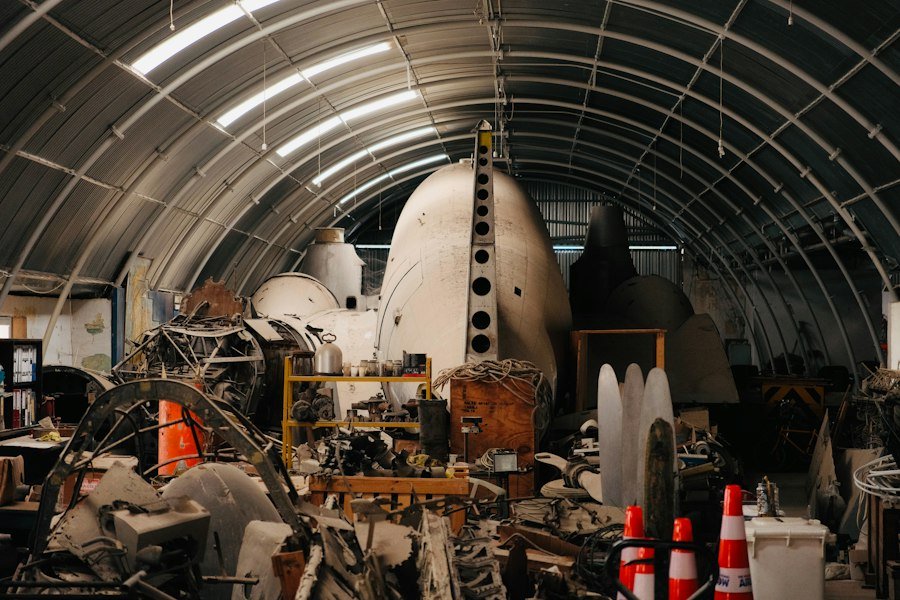
While adhering to a schedule is vital, comprehensive aircraft care extends beyond simply showing up for your annual or 100-hour inspection. It involves continuous vigilance and addressing issues as they arise, not just when they’re due.
Daily and Pre-Flight Inspections
These aren’t just a formality; they are your first line of defense. A thorough walk-around can catch developing issues before they become serious problems. Look for:
- Leaks: Fuel, oil, hydraulic fluid – any new stain is a red flag.
- Damage: Dents, cracks, loose fasteners, fraying tires.
- Fluid Levels: Engine oil, hydraulic fluid, brake fluid.
- Tire Condition: Pressure, tread wear, sidewall integrity.
- Control Surfaces: Freedom of movement, security.
- Lights: All navigation, landing, and interior lights functional.
Encourage pilots and ground crew to report anything unusual, no matter how minor it seems. Often, small observations prevent major failures.
Corrosion Prevention and Management
Corrosion is a relentless enemy of aircraft structures and components, particularly in humid or coastal environments. It can severely compromise structural integrity if left unchecked.
- Regular Cleaning: Removing dirt, salt, and other corrosive agents is fundamental. Use approved aircraft cleaning agents.
- Protective Coatings: Waxes and specialized anti-corrosion compounds can offer an extra layer of defense.
- Drain Holes: Ensure all drain holes are clear to prevent water accumulation.
- Ventilation: Good airflow in the hangar and within the aircraft itself helps prevent moisture buildup.
- Scheduled Inspections: Specific corrosion inspections are part of most maintenance programs, focusing on known problem areas. Don’t skip these.
- Prompt Repair: Any sign of corrosion should be addressed immediately by qualified personnel. Small spots can quickly spread.
Fluid Analysis Programs
For piston engines, and sometimes for turbines and hydraulic systems, regular oil analysis can provide invaluable insights into the internal health of components. By analyzing wear metals, contaminants, and the condition of the oil itself, you can detect early signs of engine wear, impending component failure, or issues with system cleanliness. This allows for proactive maintenance rather than reactive repairs, potentially saving a complete engine overhaul.
Component Life Management and Overhauls
Many aircraft components have a finite life, either in hours, cycles, or calendar time. This includes engines, propellers, landing gear, and various accessories.
- Strict Tracking: Use your maintenance tracking system to monitor these limits meticulously.
- Planning Ahead: Begin planning for major overhauls or component replacements well in advance. This includes budgeting, sourcing parts, and scheduling downtime with maintenance facilities. Waiting until the last minute can lead to higher costs and longer downtime.
- Authorized Facilities: Always ensure overhauls and major repairs are conducted by certified repair stations or qualified mechanics.
The Importance of Detailed Record Keeping
Comprehensive, accurate, and legible maintenance records are non-negotiable. They are the aircraft’s medical history and resume rolled into one.
- Airworthiness: Records prove the aircraft is maintained to regulatory standards.
- Troubleshooting: Historical data helps mechanics diagnose recurring issues.
- Resale Value: A well-documented maintenance history significantly enhances an aircraft’s market value.
- Legal Protection: In the event of an incident, detailed records can be crucial.
Ensure all work is signed off by appropriate personnel, including their certificate numbers. Keep original documents organized and consider digital backups.
Strategic Hangar Storage for Aircraft Protection

Storing your aircraft properly in a hangar isn’t just about keeping it out of the rain; it’s a strategic move to protect your investment from a multitude of environmental and operational stresses. A good hangar environment can significantly extend component life and reduce the frequency of certain maintenance issues.
Choosing the Right Hangar Environment
Not all hangars are created equal. The ideal environment offers more than just shelter.
- Temperature Control: While not always feasible or necessary for every aircraft, maintaining a stable temperature range can prevent condensation, which is a major contributor to corrosion, especially on internal structures. Extreme temperature fluctuations can also stress components.
- Humidity Control: High humidity is a primary driver of corrosion. Dehumidification systems, even simple desiccant packets placed strategically inside the aircraft, can make a huge difference, particularly in humid climates.
- Cleanliness: A clean hangar reduces the amount of dust and debris that can accumulate on and inside the aircraft, potentially clogging systems or causing abrasion.
- Security: Theft, vandalism, and accidental damage are real concerns. Choose a hangar with robust security measures, including surveillance and controlled access.
- Pest Control: Rodents and insects can cause extensive damage to wiring, insulation, and interior components. A good pest control program is essential.
Pre-Storage Procedures for Optimal Preservation
Before tucking your aircraft away, especially for an extended period, a few proactive steps can save future headaches.
- Thorough Cleaning: Remove all dirt, grime, and especially any corrosive residues (like salt spray). Pay attention to landing gear, wing roots, and engine areas.
- Engine Preservation: For periods of non-use exceeding a few weeks, follow the engine manufacturer’s preservation procedures. This typically involves flushing the engine with preservative oil, sealing intake and exhaust, and sometimes adding desiccant plugs to cylinder heads. This prevents internal corrosion.
- Fuel System Preservation: Top off fuel tanks to minimize condensation and consider adding an approved fuel stabilizer or biocide, especially for jet fuel in humid climates to prevent microbial growth.
- Tire Care: Inflate tires to their recommended pressure, and if possible, move the aircraft periodically or use jacks to take weight off the tires to prevent flat spots. Protect tires from direct sunlight.
- Control Lock Installation: Always install control locks to prevent damage from wind gusts or accidental movement.
- Pitot/Static Covers: Protect these critical systems from insects, dirt, and moisture.
- Interior Protection: Cover seats, instrument panels, and windows to prevent sun damage and dust accumulation. Use desiccant bags inside the cabin to control humidity.
During Storage: Ongoing Vigilance
Even when stored, an aircraft isn’t entirely maintenance-free.
- Regular Inspections: Periodically check on the aircraft. Look for signs of pests, leaks, or environmental damage.
- Engine Turning: If engine preservation wasn’t done for short-term storage, follow manufacturer recommendations for periodically turning the propeller or starting the engine to lubricate internal components.
- Battery Maintenance: Keep batteries charged using an approved trickle charger or remove them for regular maintenance and charging.
- Fluid Level Checks: Ensure fluid levels remain appropriate.
Post-Storage Return to Service
Bringing an aircraft out of extended storage requires a systematic approach to ensure it’s airworthy.
- De-preservation: Follow manufacturer guidelines for de-preserving engines and other components. This typically involves removing plugs, draining preservative fluids, and replacing them with operational fluids.
- Thorough Inspection: Conduct a comprehensive inspection, often more in-depth than a standard pre-flight, covering all systems. Check for signs of corrosion, leaks, or degradation that may have occurred during storage.
- Fluid Changes: Consider changing oil and other fluids, especially if they are nearing their calendar limits or if the aircraft was stored for a long time.
- Operational Checks: Perform engine run-ups, system checks, and possibly a short test flight before returning to normal operations.
Optimizing Resources for Maintenance Efficiency
Effective aircraft maintenance isn’t just about being thorough; it’s also about being smart with your time, money, and personnel. Efficiency means maximizing the output of your maintenance efforts while minimizing waste.
Developing a Robust Spare Parts Strategy
Having the right parts available when you need them can drastically reduce downtime.
- Critical Spares List: Identify components that are prone to failure, have long lead times, or are essential for dispatch (Minimum Equipment List items).
- Inventory Management: Use a system to track your spare parts, including shelf life, quantity, and location. This prevents over-ordering or running out of essential items.
- Supplier Relationships: Build strong relationships with reputable parts suppliers. Consider consignment agreements or just-in-time delivery where appropriate.
- Cost vs. Risk Analysis: Evaluate the cost of stocking a part versus the cost of aircraft downtime if that part isn’t immediately available.
- Component Rotables: For high-value, overhaulable components (rotables), having a spare or understanding exchange programs can be a game-changer for reducing repair time.
Training and Certification of Maintenance Personnel
The people working on your aircraft are its most valuable asset. Their expertise is paramount.
- Continuous Training: Aviation technology evolves. Ensure your maintenance personnel receive ongoing training on new aircraft systems, maintenance techniques, and regulatory updates.
- Type-Specific Training: For complex aircraft, type-specific training is often required and always beneficial.
- Human Factors Training: Emphasize human factors in maintenance – understanding how fatigue, stress, and communication breakdowns can lead to errors.
- Certification Compliance: Ensure all mechanics and technicians hold the appropriate certifications and ratings for the work they perform.
- Mentorship Programs: Experienced mechanics can mentor newer ones, transferring invaluable institutional knowledge.
Leveraging Technology for Predictive Maintenance
Moving beyond purely reactive or even scheduled maintenance, predictive maintenance uses data to forecast component failures before they occur.
- Engine Monitoring Systems: Modern aircraft often have sophisticated engine monitoring systems (e.g., Engine Indicating and Crew Alerting System – EICAS, or Engine Condition Monitoring – ECM) that track parameters like temperatures, pressures, vibration, and fuel flow. Analyzing this data can reveal subtle trends indicating impending issues.
- Vibration Analysis: For rotating components (engines, propellers, rotor systems), vibration analysis can detect imbalances or bearing wear early.
- Infrared Thermography: Identifying hot spots on electrical components or in exhaust systems can point to inefficiencies or failures.
- Oil Analysis (revisited): As mentioned, this is a key component of predictive maintenance, offering a glimpse into internal engine wear.
- Data Integration: The true power comes from integrating data from various sources (flight data recorders, maintenance logs, sensor outputs) to identify patterns and predict failures more accurately.
The Value of a Strong Relationship with Your Maintenance Provider
Whether you have an in-house maintenance team or rely on a third-party MRO (Maintenance, Repair, and Overhaul) facility, a collaborative relationship is key.
- Clear Communication: Establish open lines of communication regarding maintenance schedules, discovered issues, and budget.
- Transparency: A good maintenance provider will be transparent about pricing, parts sourcing, and proposed repairs.
- Trust: Build a relationship based on trust and mutual respect. This fosters an environment where concerns can be raised and addressed effectively.
- Regular Reviews: Periodically review maintenance performance, cost effectiveness, and service quality.
- Planning Together: Involve your MRO in long-term maintenance planning and budget forecasting.
Financial Planning for Aircraft Maintenance
| Aspect | Metric/Tip | Description |
|---|---|---|
| Maintenance Scheduling | Interval Planning | Plan maintenance based on flight hours, calendar time, or cycles to ensure timely inspections and repairs. |
| Maintenance Scheduling | Predictive Analytics | Use data analytics to predict component failures and optimize maintenance timing. |
| Parts Inventory | Stock Levels | Maintain critical spare parts inventory to reduce aircraft downtime during maintenance. |
| Parts Inventory | Supplier Lead Time | Track supplier delivery times to plan parts ordering ahead of maintenance schedules. |
| Hangar Storage | Space Utilization | Optimize hangar layout to maximize aircraft capacity and ease of access for maintenance. |
| Hangar Storage | Environmental Control | Maintain temperature and humidity levels to prevent corrosion and material degradation. |
| Hangar Storage | Security Measures | Implement access control and surveillance to protect aircraft and equipment. |
| Documentation | Maintenance Records | Keep detailed logs of all maintenance activities for compliance and tracking. |
| Documentation | Regulatory Compliance | Ensure all maintenance and storage practices meet aviation authority standards. |
Maintaining an aircraft is a significant financial commitment. Without proper financial planning, unexpected maintenance events can cause major disruptions or force compromises that aren’t ideal for safety or longevity.
Budgeting for Routine and Unscheduled Maintenance
A comprehensive budget goes beyond just the big annual inspection.
- Routine Maintenance: Include estimates for scheduled inspections (annual, 100-hour, phased), typical fluid changes, and minor consumables based on your operational tempo.
- Component Overhauls/Replacements: Factor in the cost of major components that have life limits (engines, propellers, landing gear). This often requires a long-term savings plan or escrow account.
- Unscheduled Maintenance Contingency: Always allocate a significant portion of your budget for unexpected repairs. Things break. It’s not a matter of if, but when. A good rule of thumb might be 10-20% of your annual maintenance budget for contingencies.
- Regulatory Updates: Sometimes ADs require expensive modifications. Budget for these possibilities.
The True Cost of Downtime
While direct repair costs are obvious, the financial impact of an aircraft being out of service can be substantial.
- Lost Revenue: If the aircraft is used for commercial operations, every day it’s grounded is a day of lost income.
- Alternative Transport Costs: You might need to charter another aircraft or use commercial airlines, incurring additional expenses.
- Operational Delays: Business disruptions can have ripple effects beyond direct costs.
- Depreciation: An aircraft that is consistently grounded might lose value more quickly.
Effective maintenance planning and a robust spare parts strategy help minimize downtime, directly impacting your bottom line.
Utilizing Maintenance Reserves and Escrow Accounts
For significant, cyclical expenses like engine overhauls or propeller overhauls, setting aside funds regularly is a smart financial strategy.
- Engine Reserves: Many aircraft owners pay into an engine reserve program (either self-funded or through a third-party provider) based on hourly usage. This ensures funds are available when the engine needs its expensive overhaul.
- Component Reserves: Similar reserves can be established for other major life-limited components.
- Escrow Accounts: Using an escrow account for these reserves provides a dedicated fund that’s harder to dip into for other expenses, ensuring the money is there when needed.
This approach smooths out the peaks and valleys of maintenance expenses, making budgeting more predictable and preventing financial shocks.
Insurance Considerations for Maintenance
Your aircraft insurance policy plays a role in your financial planning for maintenance, especially for major incidents.
- Hull Coverage: This protects against physical damage to the aircraft. Understand your deductible and how it applies to repairs.
- Liability Coverage: While not directly maintenance-related, it’s crucial for operating safely.
- Downtime Coverage: Some specialized policies offer coverage for lost revenue or alternative aircraft costs during extended maintenance, especially if the maintenance is due to an insurable event.
- Policy Review: Regularly review your policy with your broker to ensure it aligns with your operational use and the value of your aircraft. Don’t assume all maintenance-related events are covered.
By treating aircraft maintenance as a continuous, planned process rather than a series of reactive events, and by thoughtfully considering hangar storage, you’re not just performing upkeep; you’re safeguarding an asset and ensuring its reliable, safe operation for years to come. It’s an investment that always pays dividends in safety, longevity, and peace of mind.