
Picking the right aircraft for your specific needs isn’t just about what looks cool or what’s readily available. It’s a foundational decision that impacts everything from mission success and operational costs to safety and regulatory compliance. Essentially, the ‘right’ aircraft is the one that most efficiently and effectively accomplishes your defined tasks, while staying within your budget and operational constraints. This guide will walk you through the practical considerations to make that choice confidently.
Understanding Your Mission: The Starting Point
Before you even glance at aircraft specifications, you need a crystal-clear understanding of what you want the aircraft to do. This isn’t just a broad idea like “transport people” or “surveillance.” You need to drill down into the specifics.
Defining the Primary Objective
What is the absolute core purpose? Is it rapid response for emergency medical services? Long-range cargo delivery to remote areas? High-resolution aerial mapping? Passenger transport for corporate executives? The primary objective will immediately narrow down your options significantly. A helicopter for SAR (Search and Rescue) has very different requirements than a business jet for executive travel, for instance.
Assessing Payload Requirements
Payload isn’t just weight; it’s also volume and type. How much does your typical cargo or number of passengers weigh? What are the dimensions of the largest item you’ll carry? Are there any special handling requirements, like temperature control, vibration dampening, or hazardous materials? Don’t forget the weight of necessary mission equipment, fuel reserves, and crew. For example, a Cessna 172 might carry two passengers and light luggage, but a Cessna Grand Caravan can carry more passengers, or a significant amount of cargo, or be outfitted for medical evacuation.
Determining Range and Endurance Needs
How far do you need to go without refueling? How long do you need to stay airborne to complete your task? This includes consideration for diversions, holding patterns, and legal fuel reserves. A short-hop commuter route has vastly different range requirements than a transcontinental ferry flight. For surveillance missions, endurance often trumps range, meaning the aircraft needs to stay aloft for many hours, perhaps at a slower speed, rather than covering vast distances quickly.
Operational Environment and Infrastructure
Where will this aircraft primarily operate? Are you flying from paved runways in major metropolitan areas, or unimproved strips in the backcountry? Will you encounter extreme temperatures, high altitudes, or icing conditions frequently? What kind of maintenance facilities and fuel availability exist at your planned operating locations? Operating a sophisticated jet from a remote, unpaved airstrip without proper ground support is a recipe for trouble. For instance, a turboprop like the Pilatus PC-12 is renowned for its short-field performance and ability to operate from challenging runways, a capability most pure jets lack.
Aircraft Categories and Their Capabilities
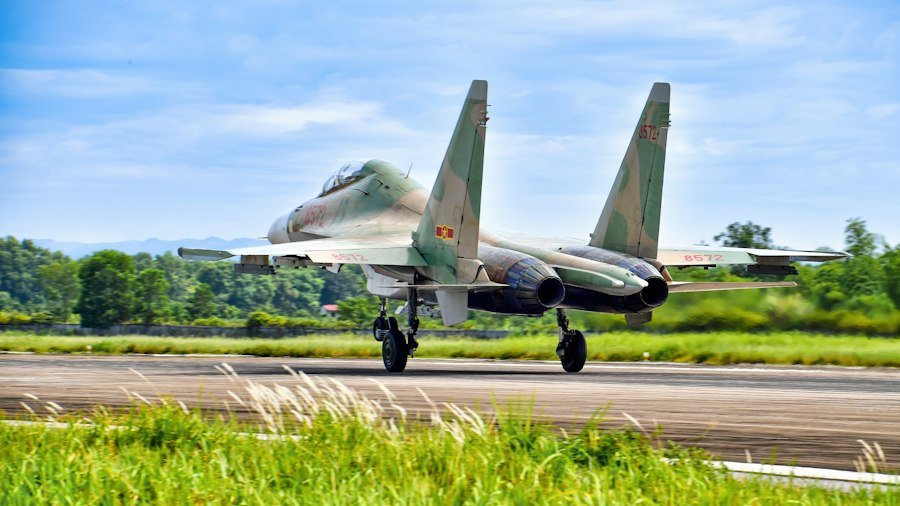
Once you have a solid grasp of your mission, you can start looking at the broad categories of aircraft that might fit. Each type has inherent strengths and weaknesses.
Fixed-Wing Aircraft
This category is vast, encompassing everything from small piston-engine planes to massive airliners.
Piston-Powered Aircraft
These are generally the most affordable to acquire and operate, making them popular for personal use, flight training, and light utility roles. They excel at short-to-medium distances, typically operating at lower altitudes.
Single-Engine Piston (SEP)
- Pros: Lower acquisition and operating costs, simpler maintenance, good for short fields (some models).
- Cons: Limited payload and range compared to larger aircraft, generally slower, single-engine reliability concerns (though modern SEPs are highly reliable).
- Best For: Flight training, personal travel, light cargo, aerial photography/surveying in good weather.
- Examples: Cessna 172/182, Piper Archer/Cherokee, Cirrus SR22.
Multi-Engine Piston (MEP)
- Pros: Enhanced safety with engine redundancy, greater payload capacity, often higher speeds and better climb rates than SEPs.
- Cons: Higher acquisition and operating costs, more complex systems and maintenance.
- Best For: Light charter, advanced flight training, personal travel requiring more capacity or safety margin over water/unforgiving terrain.
- Examples: Piper Seneca, Beechcraft Baron, Diamond DA42.
Turboprop Aircraft
These aircraft use jet engines to spin propellers, offering a blend of jet-like performance with propeller efficiency, especially at lower altitudes.
- Pros: Excellent short-field performance, good payload capacity, reliable turbine engines, lower operating costs than pure jets, good for rough strips.
- Cons: Slower than pure jets, generally higher acquisition costs than piston aircraft, more complex systems.
- Best For: Regional airliners, cargo feeders, corporate transport, medevac, special mission aircraft (surveillance, mapping) where short fields and rough strips are common.
- Examples: Pilatus PC-12, Beechcraft King Air, Cessna Grand Caravan, ATR 72, Dash 8.
Jet Aircraft
Characterized by their jet engines, these aircraft are built for speed, altitude, and range.
Light and Mid-Size Jets
- Pros: High speed, high altitude capabilities (above weather), comfortable cabins, efficient for medium-to-long ranges.
- Cons: Higher acquisition and operating costs, require longer runways, less tolerant of unimproved fields.
- Best For: Corporate executive travel, private charter, urgent cargo, air ambulance.
- Examples: Embraer Phenom 300, Cessna Citation Latitude, Bombardier Learjet 75.
Heavy and Ultra-Long-Range Jets
- Pros: Very high speed, transcontinental/intercontinental range, large cabins, high payload capacity.
- Cons: Very high acquisition and operating costs, require long runways, sophisticated maintenance infrastructure.
- Best For: Global corporate travel, large group charters, head-of-state transport, very long-range specialized missions.
- Examples: Gulfstream G650, Bombardier Global 7500, Boeing Business Jet (BBJ).
Rotary-Wing Aircraft (Helicopters)
Helicopters offer unique capabilities, primarily vertical takeoff and landing (VTOL) and hovering, making them indispensable for certain missions.
- Pros: VTOL, hovering capability, access to confined areas, highly maneuverable.
- Cons: Higher operating costs per nautical mile than fixed-wing aircraft, slower speed, typically shorter range, more complex maintenance.
- Best For: Search and rescue (SAR), emergency medical services (EMS), heavy lift (e.g., external load operations), offshore oil rig support, law enforcement, corporate transport to heliports.
- Examples: Airbus H125/H135/H145, Bell 407/429/505, Leonardo AW109/AW139.
Key Performance and Operational Metrics
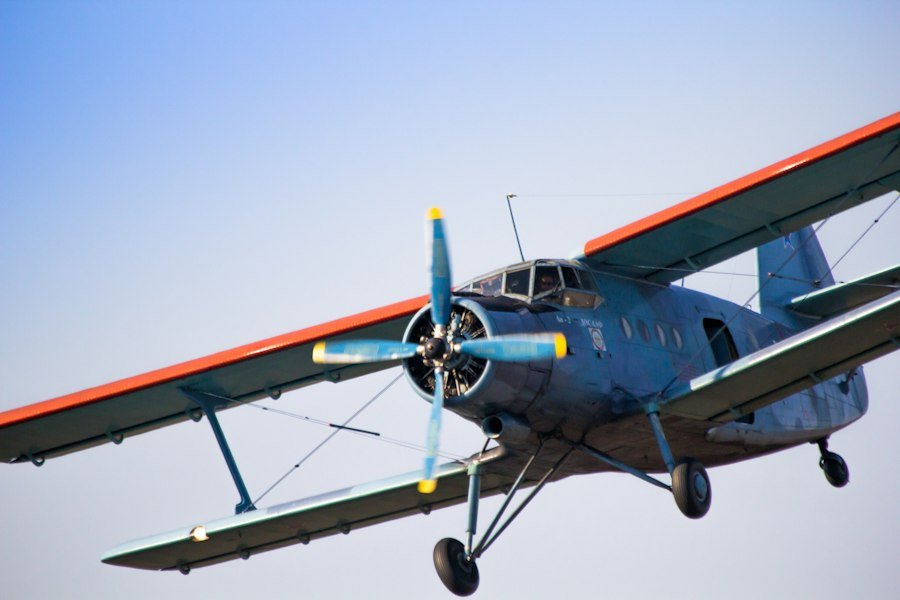
Once you have a general category in mind, you need to dive into the specific numbers and characteristics of potential aircraft.
Speed and Climb Rate
How quickly do you need to reach your destination or operating altitude? For urgent medical transport, a high cruise speed and rapid climb are critical. For a scenic tour, not so much. Understand the difference between cruise speed (economical, sustained flight) and maximum speed (often for short bursts).
Takeoff and Landing Performance
This is directly tied to your operational environment.
- Runway Length: What’s the minimum runway length required for takeoff and landing at your typical weights and temperatures? Factor in performance at high altitudes and hot temperatures (“hot and high” conditions significantly degrade performance).
- Surface Type: Is the aircraft certified and practically capable of operating from grass, gravel, or dirt strips? Some aircraft are designed for this, others are not. Landing a sophisticated jet on an unimproved runway can cause serious damage to engines and landing gear.
Fuel Efficiency and Cost
This is a major part of your overall operating budget.
- Fuel Burn: How much fuel does the aircraft consume per hour or per mile? Turboprops are generally more fuel-efficient than jets for shorter missions at lower altitudes. Piston aircraft are the most efficient at their respective performance envelopes.
- Fuel Type Availability: Is the required fuel (Avgas for pistons, Jet A for turbines) readily available at your anticipated operating locations?
Maintenance Requirements and Costs
Maintenance is often the largest single operational expense after fuel and crew.
- Scheduled Maintenance: How often does the aircraft require inspections (e.g., 50-hour, 100-hour, annual, phase inspections)? What are the typical labor hours and parts costs for these?
- Unscheduled Maintenance: How robust are the systems? What is the typical reliability? Access to spare parts and qualified technicians is also crucial. An aircraft that is grounded frequently due to parts availability is not an efficient asset.
- Engine Overhaul/Replacement: Turbine engines have time-between-overhaul (TBO) or hot section inspection (HSI) intervals, which are significant expenses. Piston engines also have TBOs. This needs to be factored into long-term cost projections.
Cabin Comfort and Configuration
This matters significantly for passenger transport and certain special missions.
- Passenger Capacity: How many people do you need to carry regularly?
- Cabin Dimensions: Is there enough headroom, legroom, and width for passenger comfort, especially on longer flights? Can you stand up, or is it a “tube” you crawl into?
- Lavatory/Galley: Essential for longer flights.
- Special Mission Equipment Integration: For aerial mapping, surveillance, or medical evacuation, can the cabin be easily reconfigured? Are there sufficient power outlets, data ports, and structural attachment points for specialized gear?
Regulatory and Financial Considerations
Beyond the raw performance data, external factors play a huge role in the final decision.
Certification and Airworthiness
Is the aircraft type certified for the kind of operations you intend to conduct?
- Part 91 (Private Operations): Generally less stringent, but still requires adherence to airworthiness standards.
- Part 135 (Charter/Commercial Operations): Much more demanding in terms of maintenance, crew qualifications, and operational procedures. Not all aircraft are economically viable or even certifiable for Part 135.
- Specialized Certifications: Does it need to be RVSM (Reduced Vertical Separation Minimum) compliant? Equipped for known icing? Capable of operations in specific airspace?
Acquisition Costs
This is more than just the sticker price.
- Purchase Price: New vs. Used. Used aircraft can offer significant savings but come with their own set of due diligence requirements (e.g., maintenance history, previous damage).
- Financing: Interest rates, loan terms, and down payments.
- Insurance: Varies widely based on aircraft type, hull value, intended use, and pilot experience. More complex or higher-performance aircraft generally mean higher premiums.
- Training: Pilot type ratings (for jets), recurrent training, and specialized mission training (e.g., hoist operations for helicopters).
Operating Costs
These are the ongoing expenses.
- Fixed Costs: Hangar fees, insurance, subscription services (charts, weather), crew salaries (if applicable), depreciation. These costs exist regardless of how much you fly.
- Variable Costs: Fuel, oil, scheduled and unscheduled maintenance, landing fees, air traffic control fees, engine reserves (if paid per hour), consumables. These depend directly on how much the aircraft is flown.
Resale Value and Market Demand
While you’re focused on today’s mission, consider tomorrow. An aircraft with strong market demand and good resale value will be easier to upgrade or sell when your mission requirements evolve. Conversely, a niche aircraft with limited appeal might be harder to divest. Look at the health of the used aircraft market for the types you are considering.
Making the Final Decision and Future-Proofing
| Criteria | Description | Key Metrics | Considerations |
|---|---|---|---|
| Mission Range | Distance the aircraft must cover without refueling | Maximum range (nautical miles or kilometers) | Long-range missions require aircraft with extended fuel capacity |
| Payload Capacity | Weight and volume of cargo, passengers, or equipment | Maximum takeoff weight, cargo volume, passenger seats | Match aircraft size to mission load to optimize efficiency |
| Runway Requirements | Type and length of runway needed for takeoff and landing | Minimum runway length, surface type compatibility | Consider availability of airfields and terrain constraints |
| Speed | Time sensitivity of the mission | Cruising speed (knots or mph) | Faster aircraft reduce mission time but may increase costs |
| Operating Costs | Cost efficiency for fuel, maintenance, and crew | Fuel consumption rate, maintenance intervals | Balance cost with mission requirements and budget |
| Environmental Conditions | Weather, altitude, and terrain where mission occurs | Aircraft performance in hot/high/rough conditions | Choose aircraft with suitable avionics and performance capabilities |
| Special Mission Equipment | Need for sensors, communication gear, or modifications | Compatibility with mission-specific equipment | Ensure aircraft can be outfitted or modified as needed |
| Regulatory and Certification | Compliance with aviation regulations and certifications | Type certification, operational approvals | Verify aircraft meets legal requirements for mission area |
Bringing all these elements together requires careful analysis and a bit of foresight.
The Trade-Offs: No Perfect Aircraft
Every aircraft is a compromise. You gain speed but lose short-field capability. You gain capacity but lose fuel efficiency. Prioritize your most critical mission parameters. Is range absolutely non-negotiable? Is the ability to land on a short, unpaved strip the single most important factor? These “must-haves” will quickly filter out unsuitable options.
Considering Growth and Flexibility
Your mission might evolve. Can the chosen aircraft adapt? Can it be reconfigured for different roles if needed? For example, an aircraft used primarily for passenger transport might occasionally need to carry cargo. Can the seats be easily removed? If you anticipate needing more range or payload in a few years, is there a logical upgrade path within the same manufacturer or family of aircraft?
Seeking Expert Advice
Don’t go it alone.
- Consultants: Aviation consultants can provide objective analysis and help navigate complex choices.
- Operators: Talk to other operators who use the aircraft types you’re considering. What are their real-world experiences with performance, maintenance, and support?
- Mechanics: Get input from experienced aircraft mechanics about the maintenance complexities and typical issues of different types.
- Pilots: Talk to pilots who fly these aircraft. What are their practical insights on handling, systems, and overall suitability?
Demonstrations and Test Flights
Once you’ve narrowed down your choices, get in the cockpit (or cabin). Fly the aircraft, or at least experience it firsthand. This gives you a feel for its handling characteristics, cabin environment, and overall suitability that no specification sheet can provide. For special missions, ensure a demonstration flight can involve simulating some of your critical tasks.
Choosing the right aircraft is a significant investment and a complex decision. By systematically evaluating your mission, understanding aircraft capabilities, crunching the numbers, and considering the regulatory landscape, you can make an informed choice that sets you up for success, rather than headache. It’s about finding the best tool for your job, not just the most impressive one.