So, you’ve just bought an airplane – congratulations! That’s a huge step and an incredibly exciting time. Now, the big question is, how do you actually learn to fly it safely and effectively? The path to becoming a proficient pilot in your own aircraft isn’t a one-size-fits-all journey. It depends on a few key things: what kind of aircraft you bought, your previous flight experience (if any), and what you ultimately want to do with your plane. Broadly speaking, the training involves getting the right certifications (licenses and ratings), gaining practical experience in your specific aircraft type, and ongoing learning to maintain proficiency. This guide will walk you through the common pathways and practical considerations for new aircraft owners.
Getting Started: Understanding the Basics of Pilot Certification
Before you even think about complex ratings, every pilot starts with fundamental certifications. These are the building blocks upon which all other training rests.
The Private Pilot Certificate (PPL)
This is the foundational license for recreational flying. If you’ve just bought an aircraft and don’t have any flight experience, this is where you’ll begin. The Private Pilot Certificate allows you to fly an aircraft for personal or recreational purposes and carry passengers, but you can’t fly for hire or compensation.
Getting your PPL involves a mix of ground school and flight training. Ground school covers aviation fundamentals like aerodynamics, aircraft systems, weather, navigation, regulations, and airport operations. This can be done in a classroom setting, through an online course, or with a self-study program. Flight training is where you learn the practical skills – taking off, landing, maneuvering, emergency procedures, and navigating under the watchful eye of a Certified Flight Instructor (CFI).
The specific requirements for a PPL include:
- Being at least 17 years old to receive the certificate (you can start training earlier).
- Being able to read, speak, and understand English.
- Holding at least a third-class FAA medical certificate (which ensures you meet basic health requirements).
- Receiving a minimum of 40 hours of flight time, including 20 hours of dual instruction (with an instructor) and 10 hours of solo flight. While 40 hours is the regulatory minimum, most students take 50-70 hours to become proficient enough to pass their checkride.
- Passing a written knowledge test covering the ground school topics.
- Passing a practical test (the “checkride”) with an FAA examiner, which includes an oral exam and a flight test.
The Sport Pilot Certificate
For owners of Light Sport Aircraft (LSA), the Sport Pilot Certificate offers a potentially quicker and less expensive route to flying. LSAs are a specific category of aircraft with weight and performance limitations. If your newly acquired aircraft falls into this category (e.g., certain experimental aircraft, gliders, weight-shift control aircraft), this certificate might be an option.
The Sport Pilot Certificate has slightly less stringent requirements than the PPL:
- Minimum of 20 hours of flight time, including 15 hours of dual instruction and 5 hours of solo flight.
- No FAA medical certificate required, just a valid driver’s license (unless you have a medical condition that would disqualify you from holding an FAA medical).
- Limitations on flying – you can only fly during the day, in good weather, and in certain airspace. You can carry one passenger.
- Passing a written knowledge test and a practical checkride.
While it’s a faster route, it’s crucial to ensure your aircraft is indeed an LSA and that the limitations of the Sport Pilot Certificate align with your flying goals. Many new owners, even of LSAs, opt for the PPL for greater flexibility.
Enhancing Your Capabilities: Additional Ratings
Once you have your Private Pilot Certificate, you might find that you want to fly in more challenging conditions or in different types of aircraft. This is where additional ratings come into play.
The Instrument Rating (IR)
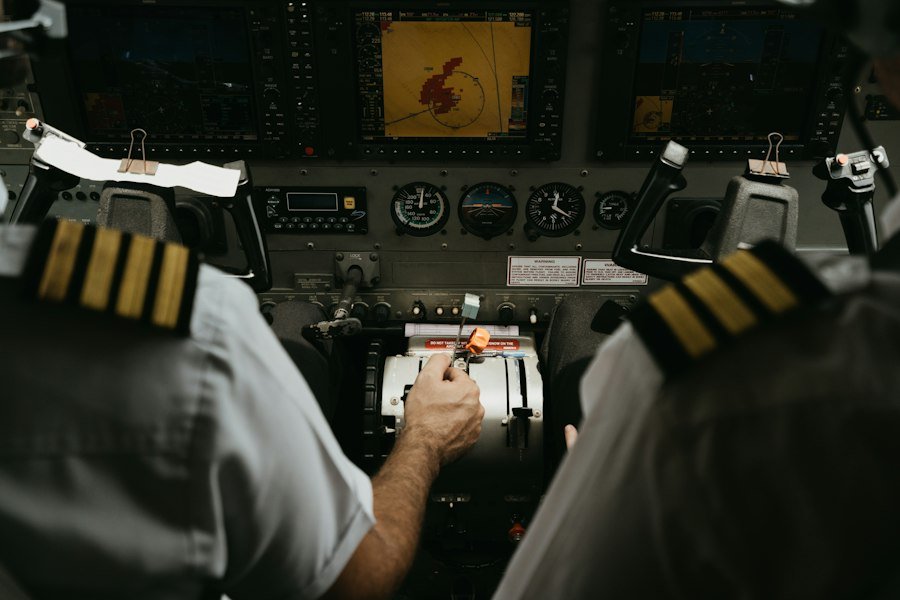
This is often the first rating pilots pursue after their PPL, and for good reason. An Instrument Rating allows you to fly an aircraft solely by reference to instruments, meaning you can fly in Instrument Meteorological Conditions (IMC) – clouds, fog, or low visibility – where visual flight rules (VFR) flight is not permitted. For aircraft owners, this significantly expands your utility and safety, allowing you to complete trips even when weather might otherwise ground you.
The training for an Instrument Rating is rigorous and focuses heavily on precision flying, advanced navigation, and understanding complex weather phenomena. It includes:
- A minimum of 50 hours of cross-country flight time as pilot in command.
- 40 hours of actual or simulated instrument time, including specific training in cross-country flight, approaches, and holding procedures. At least 15 of these hours must be with a CFII (Certified Flight Instructor – Instrument).
- Passing a written knowledge test.
- Passing a practical checkride that includes an oral exam and a flight test demonstrating proficiency in instrument procedures.
For new aircraft owners, especially those with more complex or capable aircraft, getting an Instrument Rating is highly recommended. It’s a significant safety enhancer and unlocks a whole new level of utility for your plane.
The Multi-Engine Rating
If your newly acquired aircraft has more than one engine, you’ll need a Multi-Engine Rating. This rating is added to your existing pilot certificate (e.g., Private Pilot Multi-Engine Land). It focuses on the unique aerodynamic principles and operational procedures associated with multi-engine aircraft, particularly in the event of an engine failure.
Training for the Multi-Engine Rating typically involves:
- No specific minimum flight hours, but enough training to demonstrate proficiency in multi-engine aircraft operations, including engine-out procedures, asymmetric thrust management, and emergency scenarios.
- No separate written knowledge test (assuming you already have a PPL or higher).
- Passing a practical checkride with an FAA examiner in a multi-engine aircraft.
This rating is essential for safety and legality if you own a twin-engine plane. The training emphasizes emergency procedures and decision-making under stress, which are critical skills in a multi-engine environment.
Type Ratings
For some larger, more complex aircraft, you might need a “Type Rating.” A Type Rating is specifically required for aircraft that weigh over 12,500 pounds (5,700 kg) maximum takeoff weight, or for turbojet-powered aircraft, or for other aircraft designated by the FAA. If your new aircraft falls into one of these categories (which is less common for first-time owners but certainly possible), you’ll need this specialized training.
Type rating training is aircraft-specific and often involves:
- Extensive ground school on the specific aircraft’s systems, performance, and operational procedures.
- Simulator training to practice normal and emergency procedures in a controlled environment.
- Flight training in the actual aircraft or an approved flight simulator.
- Passing an oral exam and a flight checkride specific to that aircraft type.
This training is very intensive and usually conducted by specialized flight schools or training centers that focus on particular aircraft types.
Tailoring Training to Your Specific Aircraft
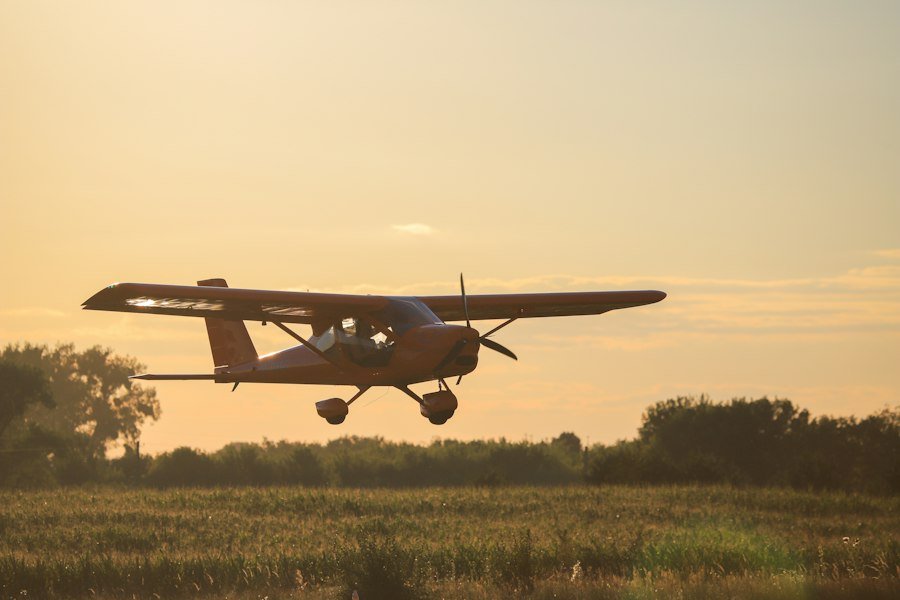
Every aircraft has its own quirks and performance characteristics. Learning to fly your specific model safely and efficiently is paramount.
Transition Training
Even if you’re an experienced pilot, flying a new-to-you aircraft, especially one with different performance characteristics or avionics, requires specific “transition training.” This isn’t just about getting a new rating; it’s about becoming proficient in your particular airframe.
For example, if you’re moving from a simple Cessna 172 to a high-performance retractable gear aircraft like a Bonanza, you’ll need to learn:
- Complex Aircraft Operations: Managing retractable landing gear, constant-speed propeller, and cowl flaps. There’s a higher workload and different emergency procedures.
- High-Performance Aircraft Operations: Handling higher airspeeds, different takeoff and landing characteristics, and more demanding performance profiles.
- Avionics Familiarization: Modern cockpits can be incredibly sophisticated. If your new plane has a glass cockpit (e.g., Garmin G1000) and you’re used to analog gauges, you’ll need training specifically on how to operate and interpret the new avionics suite. This includes navigation systems, autopilots, and engine monitoring systems.
Your flight instructor should be experienced in your aircraft type or a similar model. The goal is not just to be able to fly the plane, but to operate it safely, efficiently, and competently in various flight regimes.
Experimental Aircraft Considerations
If your new aircraft is an “experimental” category aircraft (often home-built or highly modified), there are additional considerations. Experimental aircraft often have unique flight characteristics, and systems may not be as standardized as certified aircraft.
- Phase I Flight Testing: After construction or significant modification, experimental aircraft must undergo a “Phase I” flight testing period. This is where the aircraft is flown within a designated area (usually away from congested areas) to determine its flight characteristics, ensure systems are functioning correctly, and expand its operating envelope. While you, as the owner, might conduct this testing, it’s often done with the guidance or direct involvement of experienced experimental aircraft pilots or test pilots.
- Operating Limitations: Experimental aircraft come with specific operating limitations issued by the FAA. You must understand and adhere to these.
- Specialized Instruction: Finding an instructor experienced in your specific experimental aircraft type (or similar designs) is crucial. They can help you understand its unique characteristics and help you build proficiency.
Choosing the Right Instructor
The right instructor can make all the difference. Look for a Certified Flight Instructor (CFI) who:
- Is experienced in your aircraft type: Ideally, they’ve flown your make and model extensively. If not, they should at least be familiar with similar aircraft characteristics.
- Has relevant ratings: If you’re going for an Instrument Rating, ensure they’re a CFII. For multi-engine, they need a multi-engine instructor rating.
- Has a teaching style that suits you: Learning is a personal journey, and finding someone you click with is important.
- Emphasizes safety and practical skills: Beyond just passing the checkride, a good instructor will teach you how to be a safe, competent, and confident pilot in real-world scenarios.
Don’t hesitate to interview a few instructors before committing. It’s an investment in your safety and enjoyment of flying.
The Continuing Journey: Staying Proficient and Safe
Getting your initial certifications is just the beginning. Aviation is a field of continuous learning.
Flight Reviews (Biennial Flight Review – BFR)
Every pilot, regardless of experience, is required to complete a Flight Review every 24 calendar months. This involves at least one hour of ground instruction and one hour of flight instruction with a CFI. It’s not a checkride, but an opportunity to brush up on regulations, review airspace, and demonstrate basic flying proficiency. Think of it as a mandatory refresher course designed to keep your skills sharp and your knowledge current.
Instrument Proficiency Checks (IPC)
If you hold an Instrument Rating and haven’t flown enough “actual or simulated instrument time” within a six-month period to maintain currency, you’ll need an Instrument Proficiency Check (IPC). An IPC is conducted by a CFII and involves demonstrating your ability to fly instrument procedures, including approaches, holdings, and unusual attitude recoveries. For instrument-rated pilots, staying instrument current is critical for safety and to be able to legally utilize your rating.
Additional Training and Pilot Education
Beyond the mandatory reviews, proactively seeking additional training is a hallmark of a safe and proficient pilot.
- Advanced Courses: Consider courses on specific topics like mountain flying, upset recovery training, or aerobatics (if applicable to your aircraft and interests).
- AOPA Air Safety Institute: Organizations like the Aircraft Owners and Pilots Association (AOPA) offer a wealth of free online courses, webinars, and safety clinics that cover various aviation topics. These are excellent resources for staying informed.
- Pilot Operating Handbook (POH): Regularly review your aircraft’s Pilot Operating Handbook. It contains critical information about your plane’s systems, performance, and emergency procedures.
- Flying with More Experienced Pilots: When appropriate, flying with pilots more experienced than yourself can be an invaluable learning opportunity. You can pick up tips, learn new techniques, and broaden your perspective.
- Join a Type Club: If your aircraft has a type club (e.g., Bonanza Society, Cessna Pilots Association), join it! These clubs offer a fantastic community resource, sharing knowledge about maintenance, operations, and even flying events specific to your aircraft.
Risk Management and Decision Making
A huge part of being a safe pilot isn’t just about stick and rudder skills, but about sound decision-making and effective risk management. This involves:
- Pre-flight Planning: Thoroughly planning every flight, considering weather, aircraft performance, route, and personal limitations.
- Personal Minimums: Establishing personal minimums for weather, crosswinds, and other factors, and sticking to them.
- Continuous Self-Assessment: Honestly evaluating your skills, recent experience, and health before each flight.
- Understanding Your Aircraft’s Limits: Knowing the performance envelope and limitations of your specific aircraft.
These are skills that are developed over time and are continually honed through experience and deliberate practice.
Practicalities: Costs, Time, and Logistics
| Training Pathway | Duration | Cost Estimate | Key Components | Target Audience | Certification Outcome |
|---|---|---|---|---|---|
| Private Pilot License (PPL) | 3-6 months | 8,000 – 15,000 | Ground school, flight training, solo flights, written exam | New pilots with no prior experience | Private Pilot License |
| Tailwheel Endorsement | 1-2 weeks | 1,000 – 2,500 | Ground instruction, flight training in tailwheel aircraft | Pilot owners of tailwheel aircraft | Tailwheel Endorsement |
| Complex Aircraft Endorsement | 1-2 weeks | 1,200 – 3,000 | Training on retractable gear, flaps, and controllable pitch propeller | Pilots transitioning to complex aircraft | Complex Aircraft Endorsement |
| High Performance Endorsement | 1-2 weeks | 1,200 – 3,000 | Training on aircraft with engine >200 HP | Pilots flying high performance aircraft | High Performance Endorsement |
| Instrument Rating (IR) | 3-6 months | 8,000 – 12,000 | Instrument ground school, simulator, actual instrument flight training | Pilots seeking to fly in instrument meteorological conditions | Instrument Rating |
| Flight Instructor Certificate (CFI) | 3-6 months | 5,000 – 10,000 | Advanced flight training, teaching techniques, checkride | Experienced pilots wanting to instruct others | Certified Flight Instructor |
| Owner Transition Training | 1-4 weeks | Varies by aircraft type | Type-specific systems, emergency procedures, flight characteristics | New owners of specific aircraft models | Owner Transition Completion |
Embarking on pilot training requires a commitment of time and money. Being realistic about these factors from the outset will help you plan effectively.
Estimated Costs
The cost of pilot training can vary significantly based on location, type of aircraft used for training, instructor rates, and how quickly you progress.
- Private Pilot Certificate (PPL): Expect to pay anywhere from $10,000 to $20,000+. This includes aircraft rental, instructor fees, ground school materials, examiner fees, and medical certificate costs.
- Instrument Rating (IR): This can add another $8,000 to $15,000+.
- Multi-Engine Rating: Often $3,000 to $6,000, as it typically requires fewer hours but in a more expensive aircraft.
- Aircraft-Specific Transition Training: This is highly variable, depending on the complexity of your aircraft and your existing experience. It could range from a few hundred dollars for a basic checkout to several thousand for extensive systems and avionics training.
- Medical Certificates: These typically cost $100-$200 every few years, depending on the class of medical.
Remember, these are estimates. Training in your own aircraft can sometimes be more cost-effective for flight hours, as you’re not paying rental fees, but you’re still responsible for fuel, maintenance, and insurance.
Time Commitment
Just like costs, the time commitment varies.
- PPL: Many students take 6-12 months, training 2-3 times a week. It can be done faster (e.g., an accelerated program in a few weeks) or slower, depending on your schedule and dedication.
- IR: Similar to the PPL, typically 6-12 months of consistent training.
- Ongoing Proficiency: Even after initial certifications, plan for regular flights, ground study, and your biennial flight reviews to maintain proficiency. This could mean a few hours a month.
Consistency is key in flight training. Spreading out your lessons too much can lead to “rust” and require re-learning, which ultimately takes more time and money.
Insurance Considerations
Once you own an aircraft, insurance becomes a significant factor. Your pilot experience (or lack thereof) will directly impact your premiums and even your ability to get coverage.
- Open Pilot Clause: Some policies have an “open pilot” clause, meaning any properly rated pilot can fly your aircraft. However, for new owners or high-performance aircraft, this is rare.
- Named Pilot Policy: More commonly, your insurance policy will explicitly name pilots (including you) and specify their experience requirements. For new owners, the insurer might require a certain number of hours in type, or even training with a specific instructor, before you’re fully covered as Pilot in Command.
- Training Requirements: Be prepared for your insurer to mandate additional training (e.g., a certain number of hours with a CFI in your aircraft, or an Instrument Rating) before they will fully insure you to fly your plane solo or with passengers. This is especially true for complex or high-performance aircraft.
It’s crucial to discuss insurance requirements with your broker before buying the aircraft, or at least very early in the process, to understand what training will be necessary for you to be insurable.
Finding a Flight School or Independent Instructor
You have a few options for finding flight training:
- Part 61 Flight Schools: These offer more flexible training schedules and often work well for individuals who need to balance training with other commitments. Instructors are typically independent contractors.
- Part 141 Flight Schools: These schools operate under a stricter, FAA-approved curriculum. They often have more structured schedules and can sometimes lead to reduced minimum flight hours for certain certificates (like the PPL), though total hours often end up similar.
- Independent CFIs: Many excellent CFIs operate independently. They often have more flexibility in scheduling and can sometimes offer more personalized instruction.
When you have your own aircraft, working with an independent CFI or a Part 61 school is often the most practical choice, as they can come to you and train in your specific plane.
Owning an aircraft is a dream for many, and navigating the pilot training pathways to safely and effectively fly it is an essential part of that dream. By understanding the certifications, tailoring your training to your specific aircraft, committing to ongoing learning, and being mindful of the practicalities, you’ll be well on your way to enjoying the incredible freedom and utility that comes with being an aircraft owner-pilot.