
Thinking about buying your own plane? That’s exciting! But before you take to the skies, there’s a crucial piece of the puzzle you need to understand: aircraft insurance. Simply put, aircraft insurance protects you, your investment, and others from financial losses due to accidents, damage, or liability. It’s not just a good idea; it’s a non-negotiable part of responsible aircraft ownership, often required by law or your lender. Let’s break down what you need to know.
Why Aircraft Insurance Matters for Private Owners
Owning an aircraft is a significant investment, both financially and emotionally. While the freedom of flight is unparalleled, the risks involved, even with the most careful pilots, are real. Accidents, unfortunately, do happen. Aircraft insurance is designed to cushion the financial blow if something goes wrong, preventing a single incident from derailing your finances or even your future.
Protecting Your Investment
Imagine your aircraft gets damaged in a hangar collapse, during a hard landing, or even struck by lightning. Without insurance, you’re on the hook for potentially hundreds of thousands of dollars in repair costs or the full replacement value. Hull insurance, a key component, covers damage to your actual aircraft, whether it’s on the ground or in the air. This is crucial for protecting the substantial capital you’ve invested.
Covering Your Liabilities
Beyond damage to your own plane, there’s the equally important aspect of liability. If your aircraft causes damage to someone else’s property, or worse, injures or kills someone, the legal and financial repercussions can be staggering. Liability insurance steps in here, covering legal defense costs and any judgments or settlements awarded to third parties. This protects your personal assets from potentially ruinous claims.
Meeting Legal and Lender Requirements
In many places, having at least a basic level of liability insurance is a legal requirement for operating an aircraft. Furthermore, if you’ve financed your aircraft, your lender will almost certainly mandate comprehensive insurance coverage to protect their interest in the asset. Skipping insurance isn’t just risky; it could prevent you from flying legally or even owning your plane in the first place.
Key Types of Aircraft Insurance Coverage
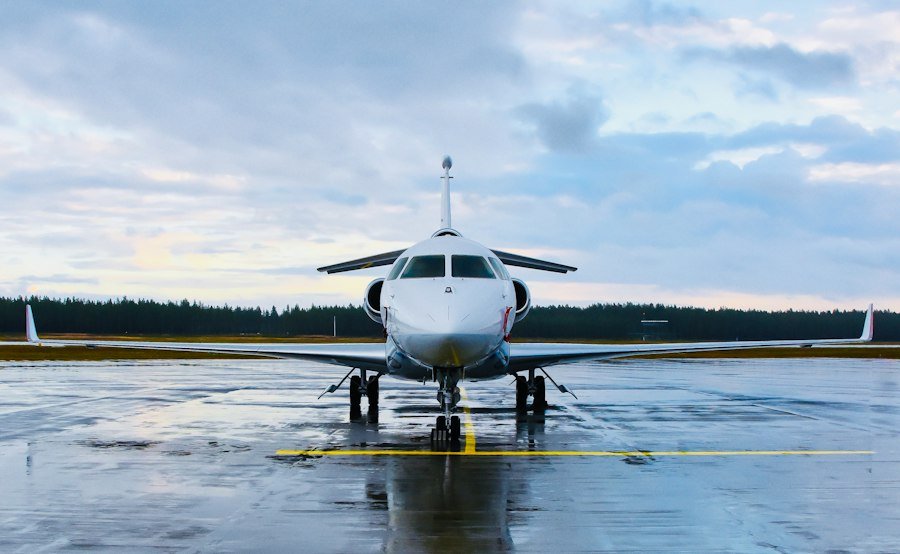
Aircraft insurance isn’t a one-size-fits-all product. It’s typically broken down into several components, allowing you to tailor coverage to your specific needs and risk tolerance. Understanding these components is essential to building an effective policy.
Hull Coverage
This is what protects the physical structure of your aircraft. Think of it like collision and comprehensive coverage for your car, but for your plane.
Ground and Flight Hull Coverage
This is the most comprehensive form of hull coverage. It protects your aircraft whether it’s parked in the hangar, taxiing on the runway, or flying at altitude. This is the standard for most private owners as it offers the broadest protection. It covers things like accidental damage, fire, theft, vandalism, and impacts during operation.
Ground Not In Motion Hull Coverage
This type of coverage is more limited. It only protects your aircraft when it’s on the ground and not in operation (e.g., parked in a hangar, tied down). As soon as the engine starts, or the aircraft begins to taxi, this coverage typically ceases. It’s often chosen by owners who rarely fly or who want to save on premiums, but it leaves significant gaps in protection.
Ground In Motion Hull Coverage
A step up from ‘Ground Not In Motion,’ this covers your aircraft while it’s on the ground, including taxiing, but not during flight. This could be useful for an aircraft that’s frequently moved on the ground but rarely flown, but again, it carries considerable risk if an incident occurs during actual flight.
Liability Coverage
This is arguably the most critical part of any aircraft insurance policy, protecting you from claims made by others.
Bodily Injury & Property Damage (BI/PD)
This covers you if your aircraft causes injury or death to a person, or damage to property, outside the aircraft. For example, if your plane were to crash into someone’s house, or injure a bystander on the ground. This is usually the primary component of liability coverage.
Passenger Legal Liability (PLL)
This specifically covers you for bodily injury or death to your passengers inside the aircraft. If a passenger is injured during a rough landing, for instance, this coverage would respond. It’s crucial for private owners who frequently carry friends, family, or business associates. It’s important to note that some policies might combine BI/PD and PLL into a single limit, or keep them separate. You need to understand how your policy is structured.
Smooth vs. Sub-Limits
When looking at liability limits, you’ll often see them expressed in one of two ways:
- Smooth Limit: This is a single, overall limit that applies to all liability claims (BI/PD and PLL combined) arising from a single incident. For example, a $1,000,000 smooth limit means the insurer will pay up to $1,000,000 for all damages, regardless of whether they are for property damage, external bodily injury, or passenger injury. This often provides more flexibility.
- Sub-Limits: Here, specific maximums are set for different types of liability. You might see “$1,000,000 BI/PD with $100,000 per passenger.” This means while the total external liability is $1,000,000, no single passenger can claim more than $100,000. It’s vital to understand these distinctions as sub-limits can leave you exposed if passenger claims are high.
Medical Payments
This coverage is often included in a policy and pays for reasonable medical expenses for people injured in an aircraft accident, regardless of who was at fault. It usually has lower limits than liability coverage and is intended for immediate medical costs.
Factors Influencing Your Insurance Premium
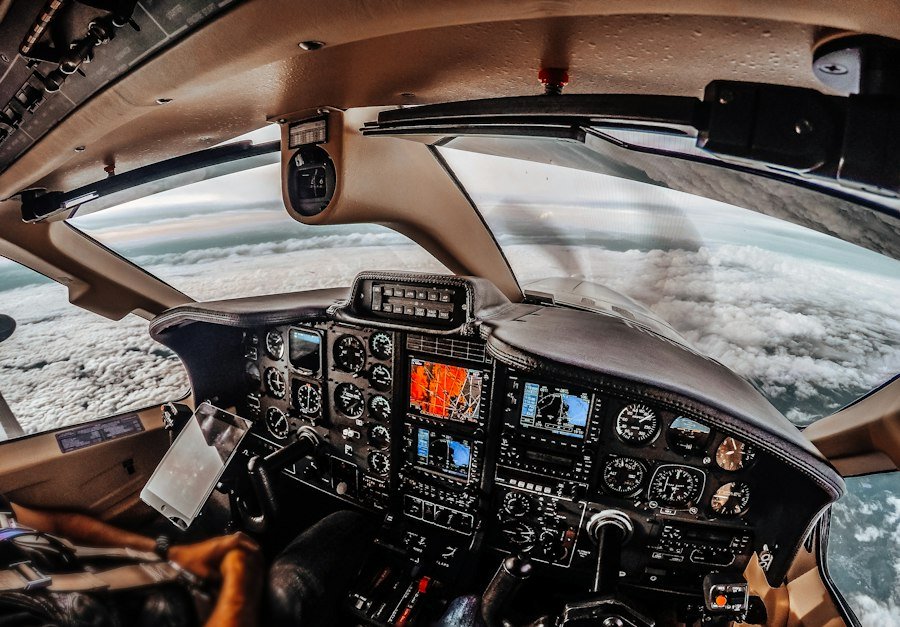
Many variables go into calculating your aircraft insurance premium. It’s not just about the plane itself; it’s also about who’s flying it and how it’s being used. Understanding these factors can help you make informed decisions and potentially manage your costs.
The Aircraft Itself
The type, age, and value of your aircraft are significant factors.
Aircraft Make and Model
Some aircraft types are inherently more expensive to insure. High-performance aircraft, experimental aircraft, or planes with complex systems (like turboprops or jets) typically carry higher premiums due to higher potential repair costs, higher performance risks, and specialized maintenance requirements. Common, well-understood piston singles generally have lower rates.
Aircraft Age and Condition
Newer aircraft often have higher hull values, leading to higher premiums. However, older aircraft that are poorly maintained or have known design issues could also be more expensive to insure, or even uninsurable, if the risk is deemed too high. A well-maintained older aircraft with a good service history is generally looked upon favorably.
Hull Value
This is the agreed-upon value of your aircraft that the insurance company would pay out in the event of a total loss. A higher hull value directly translates to a higher premium because the insurer’s potential payout is greater. You need to decide if you want to insure for market value, or an agreed value that accounts for modifications or sentimental value.
The Pilot’s Experience and Qualifications
This is often the single biggest factor in determining your premium. The insurance company needs to assess the risk of the person flying the plane.
Total Flight Hours
More flight hours generally mean more experience, which is a good thing in the eyes of an insurer. Pilots with thousands of hours typically receive better rates than those with only a few hundred.
Type-Specific Hours
Having experience in the specific make and model of aircraft you are insuring is critical. Even a pilot with thousands of hours in Cessnas might pay a higher premium for their first few hundred hours in a complex Piper Meridian. Insurers want to see competence and familiarity with your specific aircraft.
Ratings and Endorsements
Advanced ratings like instrument ratings, multi-engine ratings, or type ratings (for complex aircraft) demonstrate a higher level of training and proficiency, which can positively impact your premium. Any endorsements specific to the aircraft (e.g., high-performance, complex) are also important.
Accident/Incident History
A clean accident and incident history is paramount. Any past claims, accidents, or even minor incidents will significantly increase your premiums, and potentially make it difficult to obtain coverage at all. Insurers look for patterns of risk.
Recent Flight Time
Even experienced pilots need to stay current. Insurers often look for recent flight time (e.g., within the last 90 or 180 days) to ensure the pilot’s skills are sharp. A pilot who hasn’t flown in a year or two might need to complete some dual instruction to satisfy the insurer.
How You Use the Aircraft
The purpose for which you use your aircraft also plays a major role in pricing.
Private Pleasure and Business
This is the most common category for private owners. It covers personal recreational flying and occasional business travel where the primary purpose isn’t for hire. This generally carries the lowest premium for a given aircraft and pilot profile.
Industrial Aid
If you use your aircraft for business purposes beyond simple transportation (e.g., for aerial photography, surveying, or pipeline patrol), this falls under industrial aid. These uses generally carry higher premiums due to increased exposure and specific operational risks.
Commercial Operations (e.g., Charter, Instruction, Rental)
Any operation for compensation or hire (e.g., giving flight instruction for pay, renting out your aircraft, or operating a charter service) will significantly increase your premium and often requires specialized commercial policies. Private owner policies explicitly exclude these uses, so it’s critical to be transparent with your insurer if your usage changes.
Understanding Your Policy and the Application Process
Getting aircraft insurance isn’t quite like buying car insurance online. It’s a more nuanced process that often involves working with a specialized broker.
The Application Form
Be prepared to provide a lot of detail. The application will ask for extensive information about:
- The Aircraft: Make, model, year, serial number, registration number, total time, modifications, avionics, hangar location.
- All Pilots: For every pilot who will fly the aircraft, you’ll need to provide their name, certificate number, ratings, total flight hours, hours in make and model, hours in type, last flight review, instrument currency, medical certificate class and date, and detailed accident/incident history.
- Usage: How will the aircraft be used (private pleasure, business, industrial aid)? What are your typical operating areas?
- Coverage Requested: What hull value are you seeking? What liability limits? Do you want specific coverage for named perils or additional insureds?
The Role of an Aviation Insurance Broker
While you can sometimes go directly to an underwriter, for most private owners, working with an aviation insurance broker is highly recommended. These brokers specialize in aircraft insurance and have relationships with multiple underwriters (the actual insurance companies).
Benefits of Using a Broker
- Expertise: They understand the nuances of aviation insurance, specific aircraft types, and pilot qualifications.
- Market Access: They can shop your application to several different underwriters, helping you find the best coverage and premium for your specific situation.
- Advocacy: If you have a claim, your broker can act as an advocate on your behalf with the insurance company.
- Tailored Advice: They can help you understand complex policy language, identify potential coverage gaps, and recommend appropriate limits.
Key Policy Clauses to Understand
Don’t just sign on the dotted line without reading your policy. There are several critical clauses you need to be aware of.
Open Pilot Clause vs. Named Pilot Clause
- Named Pilot Clause: This is common for private aircraft. It means only the pilots specifically listed and approved on your policy are covered to fly the aircraft. If an unapproved pilot flies the plane and an accident occurs, your insurance might be void.
- Open Pilot Clause: Less common for private aircraft, this allows any pilot meeting certain minimum experience requirements (e.g., 500 total hours, instrument rated, current in type) to fly the aircraft and still be covered. This offers more flexibility but often comes with a higher premium. Be very clear about which type of clause your policy has.
War, Hijacking, and Terrorism Exclusions
Most standard aviation policies include exclusions for damages or losses arising from acts of war, hijacking, or terrorism. While rare, it’s important to be aware of these limitations. Specialized coverage can sometimes be purchased, but it’s typically very expensive.
Geographic Limitations
Your policy will specify the geographical area where your aircraft is covered to operate. This might be “Continental US,” “US and Canada,” or “Western Hemisphere.” Operating outside these defined areas could void your coverage. If you plan a trip internationally, inform your insurer well in advance.
Deductibles
Like car insurance, hull coverage usually has a deductible. This is the amount you pay out of pocket before your insurance kicks in for a claim. Deductibles can vary significantly (e.g., 1% of hull value, or a fixed amount). A higher deductible usually means a lower premium.
Stated vs. Agreed Value Hull
- Stated Value: The maximum amount the insurer will pay for a total loss is based on the aircraft’s market value at the time of loss, up to the stated value on the policy. If the market value has decreased since you insured it, you might receive less than the stated value.
- Agreed Value: This means the insurer agrees to pay the exact amount listed on your policy for a total loss, regardless of market fluctuations. This offers more certainty and is often preferred by owners of unique or highly customized aircraft, though it may result in slightly higher premiums.
Tips for Managing Your Aircraft Insurance Costs
| Metric | Description | Typical Range | Notes |
|---|---|---|---|
| Liability Coverage | Protection against third-party bodily injury and property damage | 100,000 to 1,000,000 per occurrence | Minimum required by many jurisdictions |
| Hull Coverage | Coverage for physical damage to the aircraft | Agreed value or actual cash value | Can be full or partial coverage |
| Medical Payments | Covers medical expenses for passengers and pilot | Up to 10,000 per person | Optional but recommended |
| Uninsured/Underinsured Motorist | Protection if another party is at fault but lacks insurance | Varies by policy | Important for added security |
| Deductible Amount | Amount owner pays out-of-pocket before insurance pays | 500 to 5,000 | Higher deductible lowers premium |
| Premium Cost | Annual cost of insurance coverage | Varies widely based on aircraft type, usage, and pilot experience | Typically ranges from hundreds to thousands |
| Pilot Experience Requirements | Minimum flight hours and certifications required | 100 to 500+ hours | More experience can reduce premiums |
| Usage Type | How the aircraft is used (personal, business, instruction) | N/A | Impacts coverage and premium |
Aircraft insurance can be a significant expense, but there are ways to potentially reduce your premiums without compromising essential coverage.
Invest in Pilot Training
The better and more current you are as a pilot, the lower your perceived risk.
- Regular Flight Reviews: Go beyond the minimum requirements.
- Advanced Ratings: An instrument rating can often lead to discounts.
- Type-Specific Training: If you’re transitioning to a new aircraft, get thorough instruction from a qualified instructor in that specific make and model.
- Safety Courses: Participation in recognized safety programs (e.g., FAA Wings program, AOPA Air Safety Institute courses) can sometimes lead to discounts.
Maintain Your Aircraft Diligently
A well-maintained aircraft is a safer aircraft.
- Follow Manufacturer’s Schedules: Adhere strictly to all maintenance schedules, inspections, and ADs (Airworthiness Directives).
- Detailed Records: Keep meticulous records of all maintenance performed. This demonstrates your commitment to safety and can be valuable if you need to make a claim or sell the aircraft.
- Hangar Your Aircraft: Storing your aircraft in a secure hangar protects it from weather damage, theft, and vandalism, which can often result in lower hull premiums compared to tying it down outside.
Choose Your Coverage Wisely
Don’t over-insure, but don’t under-insure either.
- Realistic Hull Value: Insure your aircraft for its actual market value. Over-insuring just leads to higher premiums without a greater payout in a total loss. Under-insuring leaves you exposed.
- Adequate Liability Limits: While higher limits mean higher premiums, skimping on liability can be catastrophic. Consider umbrella liability policies if you have significant assets to protect.
- Understand Deductibles: Choosing a higher deductible can lower your premium, but ensure you can comfortably afford that deductible if you need to make a claim.
Shop Around (With a Broker)
Don’t just renew with the same company year after year without checking the market.
- Use an Aviation-Specific Broker: As mentioned, they have the relationships and expertise to find you the best rates.
- Start Early: Begin the renewal process well in advance (30-60 days) to give your broker ample time to shop for quotes.
Consider Multi-Aircraft Discounts
If you own more than one aircraft, some insurers might offer a discount for bundling them on a single policy.
Understanding aircraft insurance for private owners can seem complex, but by breaking it down into its core components and understanding the factors at play, you can make informed decisions. It’s about protecting your passion, your investment, and your future. Don’t view it as just another cost, but as an essential safety net that allows you to enjoy the freedom of flight with peace of mind.